


The lessons of the Holocaust figure prominently in FSWC’s education programs that promote the principles of inclusion, social justice and democratic values. In addition to the important historical facts behind Nazi Germany’s murder of six million Jews, we bring this dark chapter to life through the Holocaust survivor testimonies of those who, against all odds, survived the genocide.
Since the inception of FSWC, Holocaust survivors have discussed the horrors of concentration camps at our educational workshops and events. We are deeply grateful for their participation and for their strength in sharing their difficult personal journeys with young people, with the hope it will help prevent such a horrific tragedy in the future.
We are honoured to introduce you to some of the incredible men and women who have given so much of their time to contribute greatly to Holocaust education in Canada. The short summaries below and accompanying videos offer only a brief glimpse into the lived experience of antisemitism and trauma each of these people endured in their younger years duirng Holocaust.
Sadly, with the number of survivors constantly diminishing, the day is fast approaching when there won’t be anyone left who can give first-hand testimony of the excruciating reality Jews faced under the Nazis. All the more reason it is imperative to forever preserve and revisit these stories as part of the legacy of survivors.
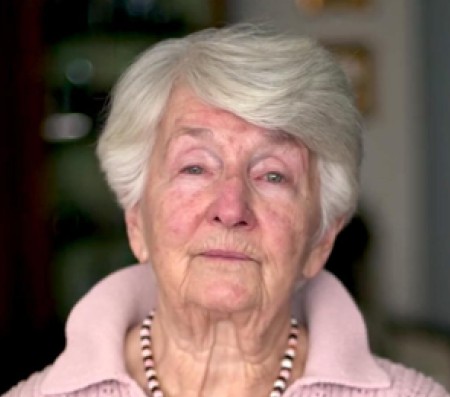
Hedy a grandi dans le nord de la Transylvanie, une région qui comptait avant la guerre une population juive d’environ 165 000 personnes. Durant son enfance, la région faisait partie de la Roumanie, mais en 1939*, elle fut annexée par la Hongrie, dont le gouvernement autoritaire entretenait des relations amicales avec l’Allemagne nazie. Les Juifs du nord de la Transylvanie furent soumis à toute une série de politiques antisémites sévères, notamment des lois raciales inspirées des lois de Nuremberg. Ces politiques excluaient les Juifs des professions qualifiées, confisquaient les entreprises appartenant à des Juifs et empêchaient les étudiants juifs d’accéder à l’enseignement supérieur. Les hommes juifs du nord de la Transylvanie furent également envoyés dans des camps de travail forcé, où ils durent effectuer des travaux physiques pénibles dans des conditions très dures.
De 1939 à 1944, bien que les Juifs du nord de la Transylvanie aient été la cible d’un antisémitisme d’État, ils ne furent ni enfermés dans des ghettos ni déportés vers des camps de concentration ou des centres de mise à mort. Cette relative sécurité prit fin brutalement en mars 1944 lorsque, à la suite de la rupture de l’alliance entre le gouvernement hongrois et les nazis, la Hongrie fut envahie par l’Allemagne et un gouvernement fantoche fut instauré. Les Juifs du nord de la Transylvanie furent contraints de vivre dans des ghettos, forcés de porter l’étoile jaune sur leurs vêtements, puis déportés vers des camps de concentration et des centres de mise à mort. La Solution finale dans cette région fut mise en œuvre par les nazis et leurs collaborateurs locaux, notamment la police et les fonctionnaires civils. Au total, environ 130 000 Juifs du nord de la Transylvanie furent déportés, principalement vers Auschwitz-Birkenau, où la plupart furent assassinés dès leur arrivée. Environ 35 000 Juifs du nord de la Transylvanie survécurent à l’Holocauste, dans des camps de concentration, des camps de travail ou en se cachant. La majorité des survivants émigrèrent après la guerre, et aujourd’hui la population juive de la région est très réduite.
Hedy a grandi à Oradea, une ville transylvanienne de 100 000 habitants, dont environ 30 000 étaient juifs. Sa vie avant la guerre était simple, modeste et sans luxe. Elle fréquentait une école juive pour filles, la même que celle qu’avait fréquentée sa mère. Bien que l’école fût de tradition juive orthodoxe, la famille de Hedy n’était pas strictement pratiquante. Enfant unique, Hedy était très proche de ses parents, en particulier de sa mère.
1928 : Naissance de Hedy en Transylvanie
Mars 1944 : La Hongrie, y compris le nord de la Transylvanie, est occupée par l’Allemagne nazie ; les Juifs transylvaniens sont contraints de vivre dans des ghettos
Juin 1944 : Hedy et sa famille sont déportées à Auschwitz-Birkenau, où ses parents sont assassinés dès leur arrivée
Été 1944 : Hedy, sa tante et deux de ses cousins sont transférés d’Auschwitz vers Fallersleben, en Allemagne, pour effectuer du travail forcé dans une usine
Avril 1945 : Hedy est déplacée vers un autre camp afin d’être éloignée de l’avancée des forces alliées
14 avril 1945 : Hedy est libérée du camp par l’armée américaine
Décembre 1947 : Hedy et son nouveau mari fuient la Roumanie pour se réfugier en Hongrie
Août 1948 : Hedy et son mari immigrent au Canada
1. Moments clés
2. Le journal de Hedy


Copyright © FSWC. All Rights Reserved.


