

L'ACSW offre des ateliers éducatifs sur l'Holocauste, spécialement conçus pour les élèves et les enseignants des écoles francophones et d'immersion française partout au Canada. Ces programmes interactifs, offerts en ligne ou en personne, explorent l'Holocauste et l'antisémitisme afin de renforcer les connaissances, la compréhension et les outils nécessaires pour affronter la haine aujourd'hui. Tous les ateliers destinés aux étudiants durent 60 minutes et sont offerts sans aucun frais.
FSWC offers a range of French language Holocaust education workshops tailored for students and teachers at French and French immersion schools across Canada. These interactive programmes, offered online or in person, explore the Holocaust and antisemitism, helping build knowledge, understanding, and the tools to confront hatred today. All student workshops are 60 minutes in duration and are offered free of charge.

Suitable for Grades 4-6
What does it mean to be a hero? What kind of actions are considered heroic? Characteristics such as integrity, courage and responsibility are investigated through real people who rose to the occasion and refused to look away. This workshop encourages an introspective look at defining the attributes of a hero and how each of us has the power to initiate positive change in our lives.

Chaque clic, publication et titre influencent notre compréhension du monde. Dans cet atelier, les élèves explorent comment les contenus numériques influencent ce que nous pensons, croyons et partageons en ligne, tout en apprenant à reconnaître les biais, la mésinformation, la désinformation et les contenus nuisibles. Grâce à des activités interactives et des exemples concrets, les participants développent leurs compétences en littératie médiatique et apprennent à évaluer les contenus numériques avec assurance. Ils élaborent des stratégies favorisant un engagement réfléchi, un dialogue respectueux et des décisions éclairées dans un monde de plus en plus connecté.
Every click, post, and headline shapes how we understand the world. In this workshop, students explore how digital content influences what we think, believe, and share online, while learning to recognize bias, misinformation, disinformation, and harmful content. Through interactive activities and real-world examples, participants develop media literacy skills and practice evaluating digital content with confidence. They build strategies for thoughtful engagement, respectful dialogue, and informed decisions in an increasingly connected world.
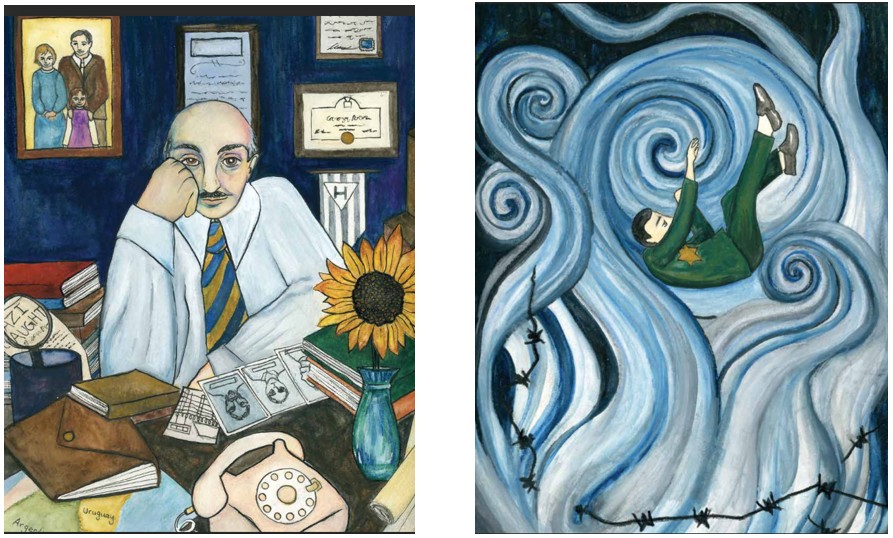
Cet atelier utilise le témoignage illustré de Simon Wiesenthal, un survivant de l'Holocauste qui a consacré sa vie à la quête de justice, pour explorer des thèmes essentiels, tels que l’histoire de l'Holocauste, l’antisémitisme et les droits humains. L’atelier comprend une lecture dramatique de ce récit captivant, suivie d’une discussion guidée, adaptée à l'âge des élèves, qui leur permet de réfléchir, de développer leur pensée critique et d’avoir des échanges significatifs autour de l’histoire et de ses thèmes.
This workshop uses the illustrated testimony of Simon Wiesenthal, a Holocaust survivor who dedicated his life to the pursuit of justice, to explore key themes such as Holocaust history, antisemitism and human rights. The workshop includes a dramatic reading of this compelling story, followed by an age-appropriate guided discussion that encourages students students to reflect, develop critical-thinking skills and engage in meaningful conversations about the history and its themes.
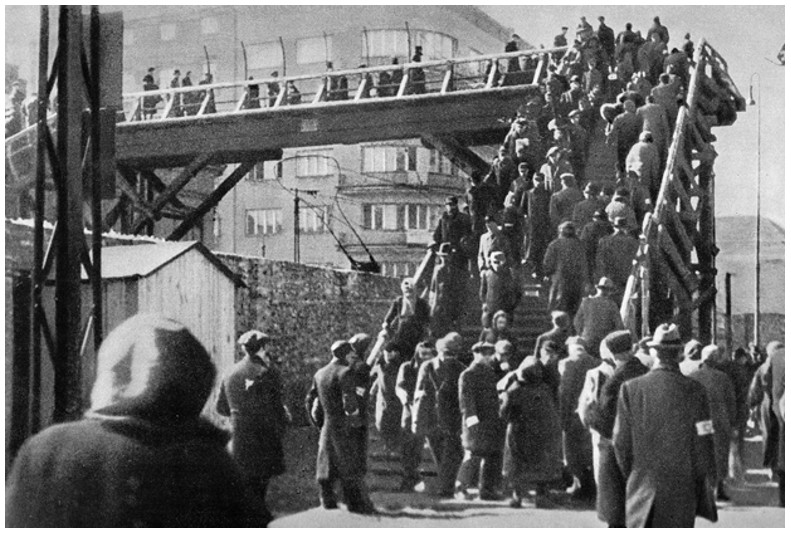
Cet atelier présentera aux participants l'identité juive et l'histoire de l'Holocauste. Nous explorerons des questions clés telles que : « Que signifie être juif ? » et « Comment l'Holocauste a-t-il pu se produire ? ». Cet atelier permettra aux participants de mieux comprendre la richesse et la complexité de la culture, des traditions et de l'histoire juives, ainsi que les causes, les événements majeurs et l'impact de l'Holocauste.
This workshop will introduce participants to Jewish identity and the history of the Holocaust. We'll explore key questions like "Whatdoes it mean to be Jewish?" and "How did the Holocaust happen?". This workshop will equip participants with understanding of the richness and complexity of Jewish culture, tradition and history, along with knowledge of the causes, major events and impact of the Holocaust.
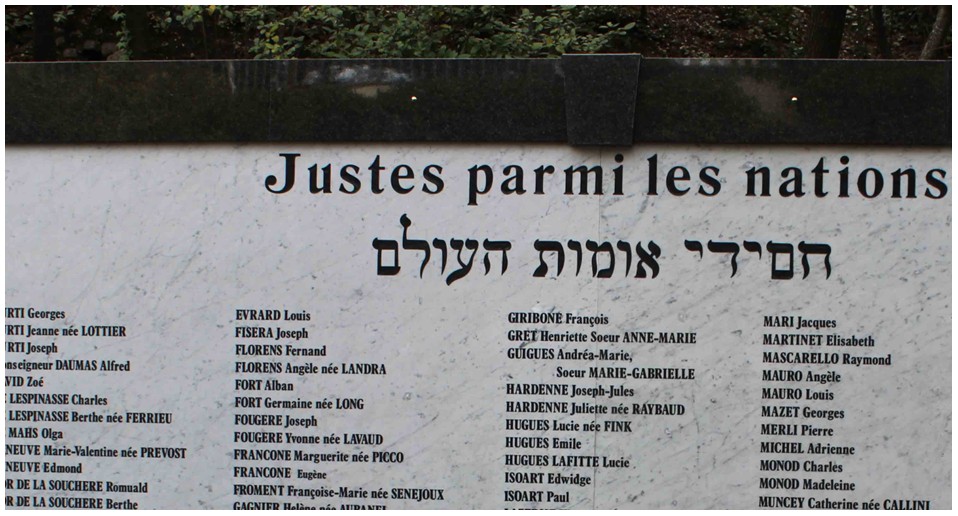
Cet atelier présente aux élèves l'Holocauste à travers les récits puissants de personnes ordinaires qui ont fait le choix extraordinaire d’aider les autres. En découvrant des figures courageuses comme Irena Sendler, Marcel Marceau et Emanuel Ringelblum, les élèves apprennent l’ampleur et la diversité des actions de résistance pendant l'Holocauste, qu’il s’agisse de sauver des vies et de protéger autrui ou d’actes de défi culturel et moral.
This workshop introduces students to the Holocaust through the powerful stories of ordinary people who made the extraordinary choice to help others. By learning about courageous individuals like Irena Sendler, Marcel Marceau, and Emanuel Ringelblum, students will learn about the wide range of resistance actions during the Holocaust, from saving lives and protecting others to acts of cultural and moral defiance.
Ateliers conçus pour les enseignants et les directions d’école
Ce programme de perfectionnement professionnel outille le personnel éducatif en lui offrant les connaissances, la confiance et les ressources pratiques nécessaires pour reconnaître et contrer l’antisémitisme dans les salles de classe et les communautés scolaires d’aujourd’hui. Les participantes et participants explorent les racines historiques de l’antisémitisme- souvent décrit comme la plus ancienne haine au monde- et examinent la façon dont les mythes et les calomnies qui le sous-tendent ont perduré, évolué et continuent de se manifester dans les discours contemporains. Ancré à la fois dans une perspective historique et dans les réalités actuelles, le programme met en lumière les expériences des communautés juives au Canada et aide le personnel éducatif à reconnaître les formes manifestes et plus subtiles d’antisémitisme, y compris celles qui se manifestent dans les espaces numériques, les échanges en classe et les discours sociétaux plus larges. Les participantes et participants développeront leur capacité à évaluer les incidents d’antisémitisme et à y répondre de manière réfléchie et efficace, tout en renforçant leur engagement envers l’équité, l’inclusion, la pensée critique et l’éducation aux droits de la personne. La séance examine également le rôle que peut jouer le personnel éducatif comme allié en remettant en question la désinformation et en favorisant des milieux d’apprentissage où les élèves juifs se sentent en sécurité, soutenus et respectés.
Objectifs du programme: Renforcer la compréhension de l’antisémitisme chez les éducateurs, notamment ses racines historiques, les mythes et préjugés persistants qui l’alimentent, ainsi que ses manifestations contemporaines, tout en clarifiant ce qui constitue, ou non, de l’antisémitisme. Explorer les répercussions de l’antisémitisme sur les communautés juives au Canada aujourd’hui et examiner ses liens avec les enjeux sociaux et géopolitiques qui façonnent les discussions dans les écoles et la société. Outiller les éducateurs avec des stratégies concrètes pour soutenir les élèves et les collègues juifs, contrer la désinformation et favoriser des milieux d’apprentissage fondés sur l’équité, la sécurité et le sentiment d’appartenance.d. Public cible : Enseignants de la 6e à la 12e année; directions d’école, administrateurs et leaders des conseils scolaires.
Durée : 90 minutes

Cet atelier propose une exploration thématique de l’Holocauste en abordant des concepts tels que la justice, l’espoir et le pouvoir des choix individuels. À l’aide d’un cadre fondé sur les pratiques exemplaires en enseignement de l’Holocauste, les participants examineront différents aspects de cette histoire, notamment l’importance fondamentale de mettre les témoignages des survivants au cœur de l’apprentissage. L’atelier comprend des activités prêtes à l’emploi ainsi que des ressources complémentaires pour poursuivre l’apprentissage après la formation.
Objectifs du programme: Appliquer les principes des pratiques exemplaires pour enseigner l’Holocauste de manière éthique, rigoureuse et adaptée au développement des élèves. Utiliser un langage historique précis et fournir le contexte nécessaire pour aborder des questions complexes sans les simplifier à l’excès. Intégrer les témoignages des survivants et des récits humains afin d’approfondir l’empathie et la compréhension des élèves. Mettre en œuvre des approches tenant compte des traumatismes afin d’accompagner les élèves dans l’exploration de contenus émotionnellement difficiles.
Public cible: Tous les éducateurs
Durée: 75 minutes
Workshop designed for teachers in the French Immersion sector.
This professional development workshop is delivered in English for educators teaching in French immersion programs. Participants will explore the Holocaust thematically, examining concepts including justice, hope and the power of individual choice. We delve into aspects of the Holocaust using a framework of best practices, including the critical importance of centering survivor voices. The 75-minute session will examine considerations specific to teaching the Holocaust in the French immersion classroom, including navigating French-language resources, curriculum expectations, and pedagogical strategies. Educators will leave with ready-to-use activities and curated French-language resources for post-workshop learning.
Program Goals: Apply best-practice principles for teaching the Holocaust in ethical, accurate, and developmentally appropriate ways. Explore considerations unique to teaching the Holocaust in French immersion classrooms, including language, resources, and curriculum connections. Use precise historical language and context to address complex questions without oversimplification. Incorporate survivor voices and human stories to deepen student empathy and understanding. Implement trauma-informed strategies that support students through emotionally challenging content.
Suggested audience: All educators in French immersion schools
Language of instruction: English Duration: 75 minutes
Atelier conçu pour les enseignants
Comment enseigner l’Holocauste aux jeunes de manière à favoriser la compréhension, l’empathie et la résilience? Cette formation propose une approche fondée sur le thème de l’héroïsme, en mettant en lumière le courage individuel et collectif face à une adversité inimaginable. Conçu pour les éducateurs, cet atelier explore des récits inspirants de résistance, de compassion et de courage moral durant l’Holocauste. Ancrée dans les pratiques exemplaires en enseignement de l’Holocauste, la formation présente des stratégies pédagogiques permettant d’aider les élèves à établir des liens significatifs entre les événements historiques et des valeurs durables telles que l’empathie, le courage et la responsabilité morale.
Objectifs du programme: Mettre en lumière l’héroïsme: Explorer des récits de résistance, de compassion et de courage moral qui témoignent du pouvoir de l’action individuelle et collective durant l’Holocauste. Favoriser l’engagement des élèves, Découvrir comment utiliser des récits marquants pour développer l’empathie, la résilience et la compréhension chez les jeunes. Appliquer des stratégies pédagogiques, Acquérir des outils et des approches concrètes pour enseigner l’histoire de l’Holocauste avec sensibilité et rigueur. Relier l’histoire aux valeurs, Aider les élèves à établir des liens significatifs entre les événements de l’Holocauste et des valeurs fondamentales telles que le courage, la responsabilité morale et l’humanité.
Public cible: Tous les éducateurs, avec la possibilité d’adapter la formation au programme d’études de sciences humaines de la 6e année et au cours d’histoire de la 10e année.e. Durée: 75 minutes
L’antisémitisme n’a pas commencé avec l’Holocauste et n’a pasdisparu avec la défaite du nazisme en 1945. Il est souvent considéré commel’une des plus anciennes formes de haine au monde, dont les traces remontent àplus de 2 000 ans dans les sources archéologiques grecques et romaines.Malheureusement, cette forme de haine continue de prospérer aujourd’hui, auXXIe siècle, et bon nombre des mêmes mythes et stéréotypes continuent d’êtrevéhiculés. Cet atelier de 90 minutes examinera les manifestations de l’antisémitismede l’Antiquité à nos jours, abordera les moyens d’identifier cette forme dehaine et proposera des pistes pour y faire face dans le monde actuel.
L’objectif est de sensibiliser le public à la question de l’antisémitisme dans une perspective à la fois historique et contemporaine. Comprendre ses formes historiques permet de replacer les incidents actuels dans un cadre plus large, afin de mieux saisir la gravité, la persistance et l’impact de cette forme de haine et d’intolérance. Cela nourrit également la réflexion sur la manière dont le fait de nommer et de dénoncer l’antisémitisme, parallèlement au développement d’alliances, peut contribuer à lutter contre cette haine.
Suitable for Grades 4-6
What does it mean to be a hero? What kind of actions are considered heroic? Characteristics such as integrity, courage and responsibility are investigated through real people who rose to the occasion and refused to look away. This workshop encourages an introspective look at defining the attributes of a hero and how each of us has the power to initiate positive change in our lives.
Designed for elementary and high school students and supporting lessons their teachers deliver every day in their own classrooms, FSWC’s education programs provide engaging learning opportunities that confront hatred and intolerance. Based on the Equity and Inclusivity Strategy our Equity, Diversity and Inclusion workshops address Ontario Ministry of Education expectations while generating lively discussions that challenge perspectives and offer greater understanding of often difficult subjects.
In Canada’s increasingly diverse society, it’s imperative that people understand and appreciate the intersectionality of identity and recognize the importance of acceptance, respect and inclusion. FSWC education and diversity workshops provide the relevant knowledge and resources to help students of all backgrounds feel comfortable to exhibit their race, ethnicity, gender, sexual orientation, family status and any other part of their identity without judgment or harassment from others.
FSWC’s experienced and specially trained education team conducts a range of workshops in person and online for student groups across Canada. While each workshop has a specific focus, they all strive to foster a more positive and open-minded attitude in schools and everyday life by helping young people to better understand and respect the diversity of others. The goal of the programming is to teach about historical events while making real-world, contemporary connections and empowering youth to create positive change in their homes, schools and communities.


Copyright © FSWC. All Rights Reserved.

