


Amid an alarming rise in antisemitic incidents and other forms of hate in Canada, educators play a critical role in addressing intolerance with their students. FSWC supports educators in this vital work, collaborating with teachers and administrators across the country to focus on antisemitism and other forms of discrimination through innovative professional development programs. Central to this work is Holocaust education, which provides a critical historical framework for understanding where antisemitism can lead when prejudice, propaganda, and indifference go unchallenged. By engaging with the history of the Holocaust and its enduring lessons, educators are better equipped to help students recognize the warning signs of hate, examine their own responsibilities as upstanders, and connect this history to contemporary issues of human rights, social justice, and democratic values.
Program Goals:
• Strengthen educators’ understanding of antisemitism, including its historical roots, enduring libels, and contemporary manifestations, while distinguishing between what is and is not antisemitism.
• Explore how antisemitism affects Jewish communities in Canada today, and how it intersects with broader social and geopolitical conversations taking place in schools and society.
• Equip educators with practical strategies to support Jewish students and colleagues, challenge misinformation, and cultivate classrooms grounded in equity, safety, and belonging.
Suggested audience: Educators teaching grades 6-12; school board administrators and leaders.
Duration: 90 minutes
This professional learning program equips educators with the knowledge, confidence, and practical tools to recognize and address antisemitism in today’s classrooms and school communities. Participants explore the historical roots of antisemitism - often described as the world’s oldest hatred - and examine how enduring myths and libels continue to evolve and manifest in contemporary discourse. Grounded in both historical context and present-day realities, the program highlights the experiences of Jewish communities in Canada and supports educators in identifying both overt and subtle forms of antisemitism, including those that emerge in online spaces, classroom conversations, and broader societal narratives. Participants will strengthen their ability to assess and respond to incidents thoughtfully and effectively while reinforcing broader commitments to equity, inclusion, critical thinking, and human rights education. The session also explores the role educators can play as allies by challenging misinformation and fostering learning environments where Jewish students feel safe, supported, and respected.

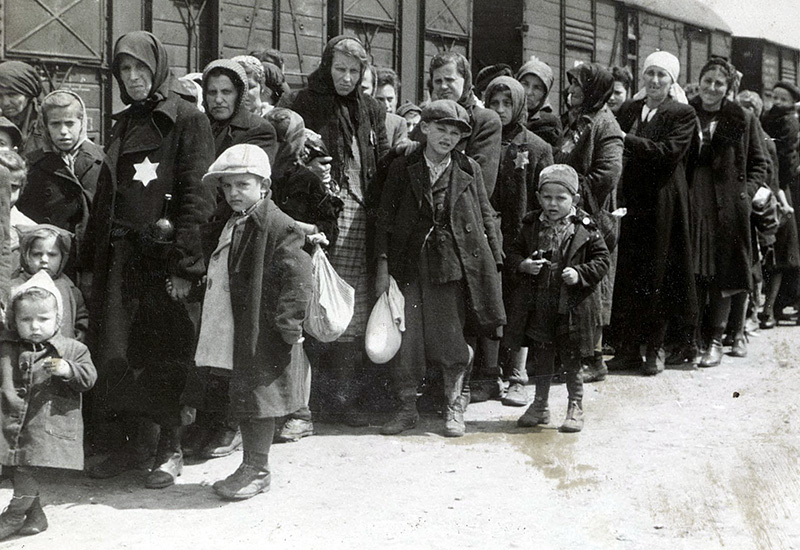
This workshop explores the Holocaust thematically, examining concepts including justice, hope and the power of individual choice. We delve into aspects of the Holocaust using a framework of best practices, including the critical importance of centering survivor voices. We provide ready-to-use activities and additional resources for post-workshop learning.
Program Goals:
• Apply best-practice principles for teaching the Holocaust in ethical, accurate, and developmentally appropriate ways.
• Use precise historical language and context to address complex questions without oversimplification.
• Incorporate survivor voices and human stories to deepen student empathy and understanding.
• Implement trauma-informed strategies that support students through emotionally challenging content.
Suggested audience: All educators
Duration: 75 minutes
Program Goals:
• Deepen educators’ ability to identify nuanced and contemporary forms of antisemitism, including those that emerge through stereotypes, conspiracy theories, coded language, and online content.
• Strengthen confidence in responding to incidents of antisemitism and hate in ways that are developmentally appropriate, trauma-informed, and grounded in equity and human rights principles.
• Explore practical tools and case-based strategies for supporting Jewish students and fostering inclusive school environments where all students feel safe and respected.
• Examine how antisemitism can affect school climate, student well-being, and staff experiences, and identify strategies to address these impacts constructively and effectively.
Suggested audience: Educators teaching grades 6-12, school board administrators and leaders who have completed Antisemitism Then and Now.
Duration: 90 minutes
Building on the foundational learning from Antisemitism Then and Now, this advanced professional learning program supports educators in applying their understanding of antisemitism to complex and evolving challenges within today’s educational environments. Through interactive discussion, case studies, and scenario-based learning, participants deepen their ability to recognize and respond to antisemitism as it appears in classroom interactions, online spaces, and broader social discourse that may affect students and staff. The workshop explores how antisemitism can emerge in ways that are normalized, minimized, or difficult to recognize - including through stereotypes, conspiracy theories, exclusionary behaviour, and coded language. Educators will examine real-world examples relevant to K-12 settings and strengthen practical strategies for addressing hate-related incidents, supporting Jewish students and colleagues, and responding to misinformation and bias in educational spaces. The session emphasizes fostering inclusive learning environments where Jewish students feel safe, respected, and supported, while reinforcing broader commitments to equity, inclusion, student well-being, and human rights.
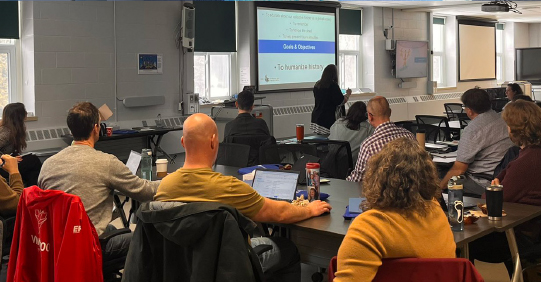
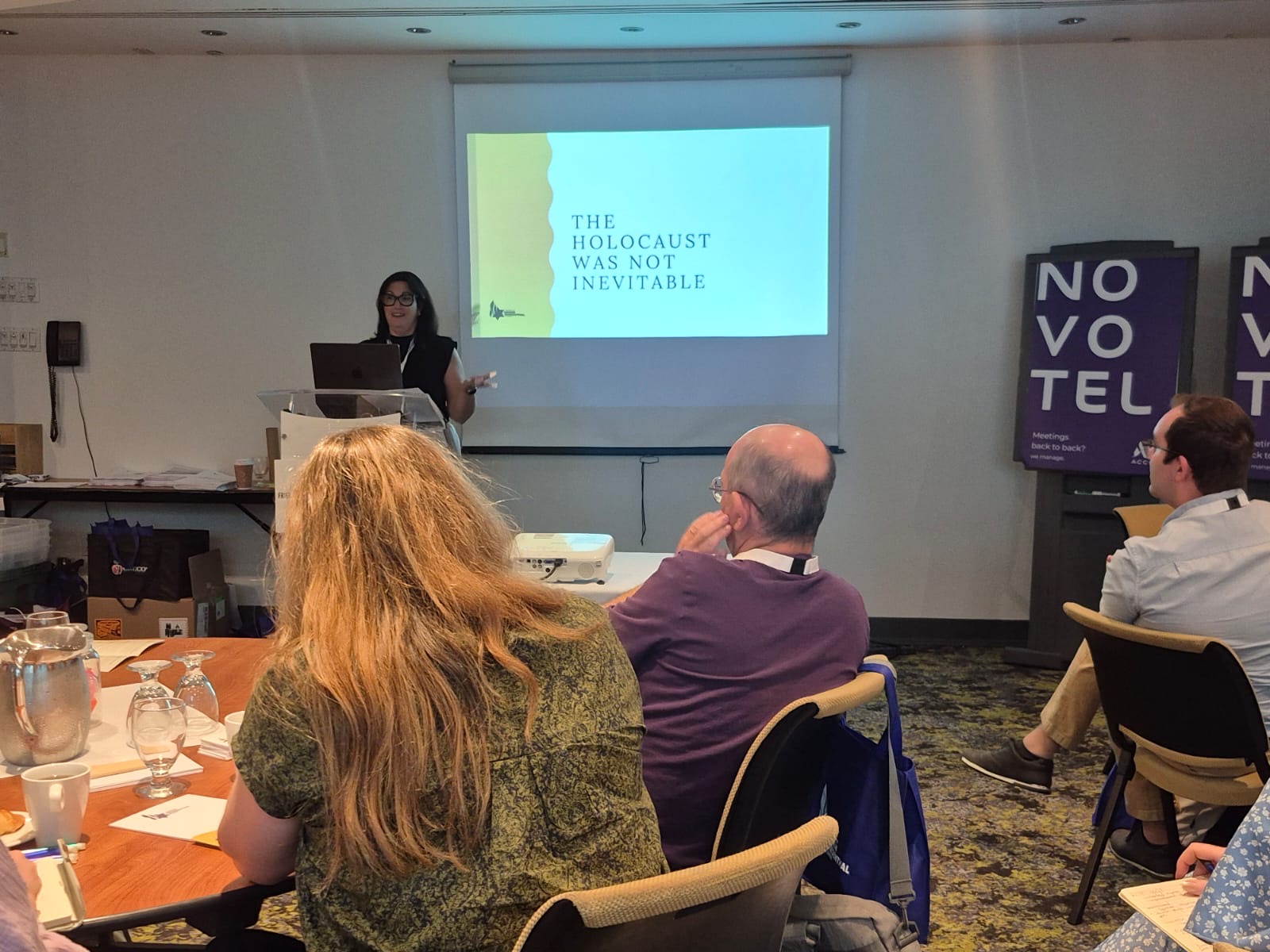
This interactive workshop offers a chronological overview of the Holocaust, from the Nazi party's rise to power in Germany in 1933 to the end of World War II in 1945. It provides educators with tools to create impactful lesson plans aligned with curriculum requirements, includes classroom-ready activities based on best practices, and offers additional resources for continued learning.
Program Goals:
• Investigate the history of the Holocaust through key dates and events.
• Expand awareness of symbols and language from the Holocaust.
• Discuss best practices in Holocaust education with a focus on providing context and discussing complexities.
Suggested audience: All educators, with option to focus on grades 6 social studies and grade 10 curriculum.
Duration: 75 minutes
Program Goals:
• Highlight Heroism: Explore narratives of resistance, compassion, and moral courage that highlight the power of individual and collective action during the Holocaust.
• Deepen Student Engagement: Learn how to use powerful stories to foster empathy, resilience, and understanding among young learners.
• Apply Pedagogical Strategies: Gain practical tools and approaches for teaching Holocaust history with sensitivity and impact.
• Connect History to Values: Help students draw meaningful links between Holocaust events and enduring principles such as courage, moral responsibility, and humanity.
Suggested audience: All educators, with option to focus on grades 6 social studies and grade 10 history curriculum.
Duration: 75 minutes
Grounded in best practices in Holocaust education, the session will offer pedagogical strategies to help students make meaningful connections between historical events and enduring values such as empathy, courage, and moral responsibility.
How can we teach young learners about the Holocaust in a way that fosters understanding, empathy, and resilience? This session offers an entry point through the lens of heroism - highlighting the power of individual and collective courage in the face of unimaginable adversity. Designed for educators, this session explores powerful narratives that illuminate acts of resistance, compassion, and moral courage during the Holocaust. Grounded in best practices in Holocaust education, the session will offer pedagogical strategies to help students make meaningful connections between historical events and enduring values such as empathy, courage, and moral responsibility.
Program Goals:
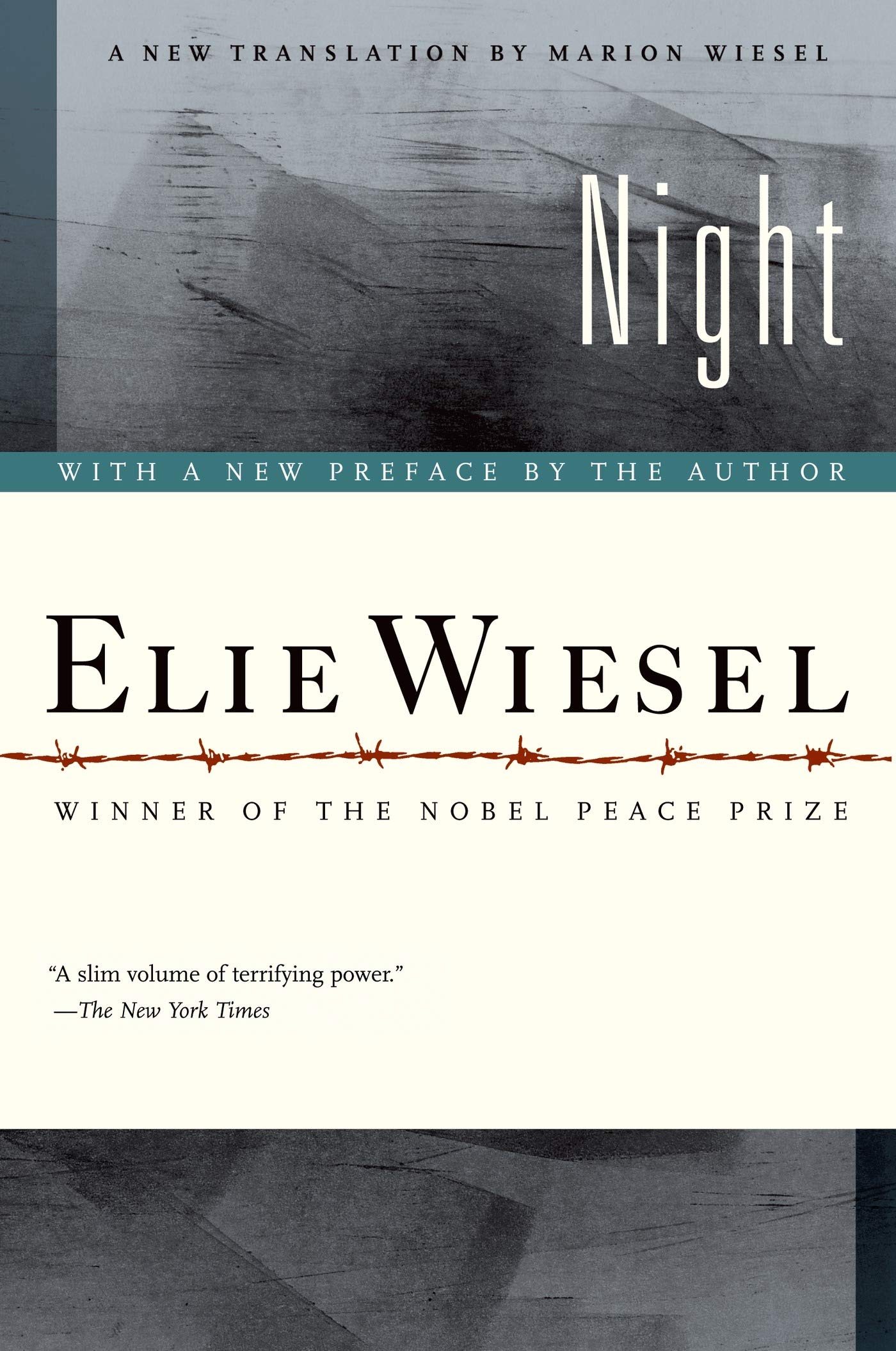
• Teach Night with historical accuracy and pedagogical care, grounded in best practices for Holocaust education.
• Contextualize the memoir within the history of the Holocaust, with particular attention to Auschwitz-Birkenau and survivor testimony.
• Apply literary analysis strategies to explore character development, symbolism, and narrative voice in Night.
• Facilitate thoughtful, age-appropriate discussions that engage students intellectually and emotionally while addressing themes of humanity, faith, and moral responsibility.
Suggested audience: Educators teaching grades 9-12
Duration: 90 minutes
Grounded in best practices in Holocaust education, the session will offer pedagogical strategies to help students make meaningful connections between historical events and enduring values such as empathy, courage, and moral responsibility.
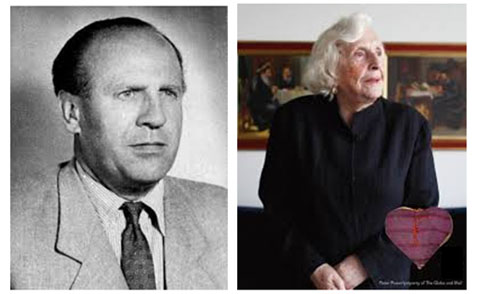
Elie Wiesel’s Night is widely regarded as a seminal work of Holocaust survivor memoir - and with its haunting beauty, lyrical prose, and emotional depth, it has become a central text in many English classrooms. Written by Nobel Peace Prize laureate Elie Wiesel, who authored 57 books in his lifetime, Night offers a powerful entry point into Holocaust education through the personal and literary lens of lived experience. This session will explore how to teach Night effectively and responsibly, with attention to both its historical and literary dimensions. Participants will examine best practices for contextualizing the Holocaust, with a particular focus on Auschwitz-Birkenau, the main setting of the memoir. Grounded in principles of Holocaust pedagogy, the session will emphasize the importance of centering survivor voices.
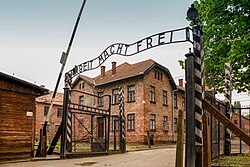
This immersive professional development program invites educators to explore the historical significance of Auschwitz-Birkenau - the largest Nazi concentration and death camp—and its central role in the Holocaust. Designed to support educators across all grade levels and disciplines, the program offers a comprehensive examination of Auschwitz’s historical context, operations, and the experiences of its victims. Participants will engage with primary source materials, survivor testimonies, and expert-led discussions to deepen their knowledge and build confidence in teaching this difficult history with sensitivity and accuracy. The program not only strengthens historical understanding but also equips educators with practical strategies for fostering critical thinking, empathy, and moral reflection in their classrooms.
Program Goals:
• Explain the historical significance of Auschwitz-Birkenau and its central role in the Holocaust.
• Teach this history with accuracy and sensitivity using primary sources and survivor testimony.
• Apply strategies that promote critical thinking, empathy, and moral reflection in students.
• Connect the lessons of Auschwitz to contemporary issues of antisemitism and human rights.
Suggested audience: Educators teaching 9-12
Duration: 90 minutes
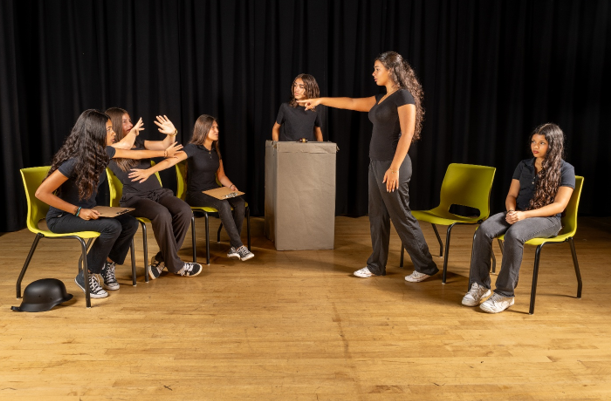
In partnership with the National Jewish Theatre Foundation, this professional learning program introduces educators to What I've Scene, an innovative approach to Holocaust education that uses theatre-based pedagogy to engage students with survivor testimony and deepen historical understanding. Through collaborative activities including narrative monologues, tableaux, reflection, and creative interpretation, participants will explore how the arts can foster empathy, critical thinking, and meaningful engagement with Holocaust history.
Designed for educators with or without a theatre background, the program provides practical, adaptable strategies for implementation across English, history, social studies, drama, and interdisciplinary classrooms. Educators will leave with the knowledge, confidence, and resources to bring the NJTF created What I've Scene methodology into their own learning communities in ways that are historically rigorous, age-appropriate, and aligned with best practices in Holocaust education.
Program Goals:
• Explore how theatre-based pedagogy can enhance Holocaust education by fostering historical understanding, empathy, and meaningful student engagement.
● Examine best practices for teaching the Holocaust through survivor testimony while ensuring historical accuracy, ethical representation, and age-appropriate instruction.
● Develop practical strategies for facilitating collaborative, inquiry-based learning using narrative monologues, tableaux, reflection, and creative expression.
● Build the confidence and skills to implement the What I've Scene methodology across a variety of classroom settings and disciplines.
Suggested audience: Educators teaching 6-12
Duration: 120 minutes
This dynamic session equips school leaders with the insight and tools to recognize and address antisemitism - both its historical roots and its modern expressions. Participants will explore how antisemitism affects individuals and school communities, gaining a deeper understanding of their role in shaping inclusive, respectful learning environments. The workshop emphasizes leadership awareness, cultural competence, and the responsibility of administrators to model allyship and foster belonging throughout their schools.

Program Goals:
• Develop a clear understanding of antisemitism, including its historical roots and modern-day expressions that can appear in school environments.
• Recognize the impact of antisemitism on students, staff, and school communities, and understand why timely, informed responses from leadership matter.
• Strengthen administrators’ cultural competence and confidence in identifying, addressing, and preventing antisemitism within their schools.
• Empower school leaders to model allyship and foster inclusive, respectful learning environments where all students feel a strong sense of belonging.
Suggested audience: Principals, school board staff and administrators.
Duration: 90 minutes
Program Goals:
• Explore social media including gaming platforms and alternative sites.
• Discuss how and where young people encounter hate in online spaces.
• Identify a variety of examples of online hate.
• Introduce strategies to support young people in online spaces.
Program delivery: Virtual
Suggested audience: School administrators and educators teaching grades 5-12.
Duration: 75 minutes
This program examines issues of digital citizenship in an age of online hate. Participants gain insights into the prevalence of online hate using the Simon Wiesenthal Center's Lexicon of Hate searchable database and look at the ways in which anti-Asian, anti-Black and antisemitic content is being spread online. They will also discuss the challenges young people face on popular digital platforms.

How do we talk to others in our community about antisemitism - especially when conversations so often feel difficult, emotional, or overwhelming? This program is designed for Jewish parents, guardians, and educators navigating challenging discussions about antisemitism with colleagues, community members, and peers. The session helps participants better understand and respond to antisemitism by examining and debunking long-standing antisemitic tropes and exploring how antisemitism manifests today, both online and offline. Participants will also learn a brain-first approach to communication, including strategies for regulating emotions, setting boundaries, engaging in constructive dialogue, and recognizing when to disengage. By the end of the workshop, participants will leave with a stronger understanding of contemporary antisemitism, along with practical tools and strategies for engaging in difficult conversations and incidents with greater confidence, clarity, and resilience.

Program Goals:
• Explore the historical roots and evolving forms of antisemitism, including contemporary manifestations, to better understand how antisemitism appears in today’s school environments and broader society.
• Develop a deeper understanding of antisemitism in Canada today, including the challenges Jewish students, families, and educators may encounter in educational settings.
• Build confidence in discussing antisemitism with others in your community in a clear, informed, and constructive way.
• Learn practical communication strategies to foster empathy, encourage productive dialogue, respond to incidents of antisemitism, and help create more inclusive and respectful school environments and communities.
Suggested audience: Jewish Parents, Guardians & Educators
Duration: 90 minutes
Children’s literature is an important access point for introducing young people to the Holocaust while building empathy for those who experienced it. This workshop explores key examples of literature aimed at elementary and secondary students that address the history of the Holocaust– picture books, young adult novels and graphic novels – through established best practices. We also provide ready-to-use activities and additional resources for post-workshop learning.

Program Goals:
• Review criteria for selecting Holocaust literature in the classroom.
• Introduce a diversity of stories through a variety of texts.
• Discuss introductory and follow-up literacy activities for students to deepen their understanding of the Holocaust.
Program delivery: Available in both virtual and in-person formats.
Suggested audience: All educators, with option to focus on grades 6 social studies and grade 10 history curriculum.
Duration: 75 minutes
Delve into the history and significance of Auschwitz-Birkenau, the largest Nazi concentration and death camp, in this immersive professional development program. Designed for educators, the program explores Auschwitz’s role in the Holocaust, its historical context, and the experiences of its victims. Participants will engage with primary sources, survivor testimonies, and expert-led discussions to deepen their understanding and learn strategies for teaching this complex history with sensitivity and accuracy. Equip yourself with tools to foster critical thinking, empathy, and awareness in your students while preserving the memory of those who perished.

Program Goals:
• Deepen Historical Understanding: Provide educators with a comprehensive knowledge of Auschwitz-Birkenau, including its historical context, operations, and impact during the Holocaust.
• Enhance Pedagogical Skills: Equip educators with effective strategies and resources to teach the Holocaust, fostering critical thinking and empathy among students.
• Promote Holocaust Awareness: Strengthen educators' ability to convey the importance of Holocaust education in combating prejudice, hatred, and misinformation.
• Encourage Reflective Practice: Inspire educators to engage in thoughtful reflection on the moral and ethical lessons of the Holocaust and their relevance in today’s world.
Program delivery: Available in both virtual and in-person formats.
Suggested audience: School administrators and educators teaching grades 6-12
Duration: 120 minutes
Every January, in commemoration of International Holocaust Remembrance Day, FSWC hosts an annual Holocaust conference for educators focusing on best practices and key pedagogical themes for teaching lessons on the Holocaust in the classroom. Bringing together expertise from international and local scholars, the conference is an opportunity for participants from across the nation to come together in Toronto to learn directly from leaders in the field of Holocaust education through seminars, panel discussions and participant-led breakout sessions. Past speakers have included Holocaust scholars Dr. Wendy Lower (Hitler’s Furies, The Ravine), Dr. Edward Westermann (Drunk on Genocide), Dr. Valerie Hébert (Framing the Holocaust); children’s author Kathy Kacer (Two Pieces of Chocolate, The Secret of Gabi’s Dresser); and author Jennifer Teege (My Grandfather Would Have Shot Me).
children’s author Kathy Kacer (Two Pieces of Chocolate, The Secret of Gabi’s Dresser); and author Jennifer Teege (My Grandfather Would Have Shot Me).

FSWC has developed specialized one-on-one programs, informed by restorative justice principles, for youth and adults involved in incidents of antisemitism. In partnership with schools and other organizations, we have created engaging programs that foster empathetic understanding and offer opportunities to address and remedy the harm caused, all while adhering to established legal frameworks.
These programs are tailored to each individual case, reflecting the unique needs of the participant and the specific context of the offense.
We are available to answer questions and provide additional details. We look forward to your inquiry.
INQUIRE TODAYFounded in 1989, Friends of Simon Wiesenthal Center (FSWC) is one of Canada’s leading human rights organizations combatting antisemitism and other forms of hate. Through our extensive advocacy work and education programs teaching the lessons of the Holocaust and other genocides, FSWC promotes the principles of tolerance, social justice and democracy. Based in Toronto, FSWC is affiliated with the Simon Wiesenthal Center, an international human rights organization headquartered in Los Angeles, which has an official NGO presence at the United Nations, UNESCO, the Council of Europe and the Latin American Parliament.


Copyright © FSWC. All Rights Reserved.

